Unshackling art

In Arctic Dreams, Barry Lopez quotes gothic mystics who spoke of praying in moonlit cathedrals as something akin to being on a great ship, sailing eternity itself. He writes:
The gothic cathedral churches, with their broad bays of sunshine, flying buttresses that let windows rise where once there had been stone in the walls, and harmonious interiors – this "architecture of light" was a monument to a newly created theology. [...] Not only was God light but the relationship between God and man was light. The cathedrals, by the very way they snared the sun's energy, were an expression of God and of the human connection with God as well. The aesthetics of this age, writes Duby, was "based on light, logic, lucidity, and yearning for a God in human form." Both the scholastic monks in their exegetical disquisitions and the illiterate people who built these churches, who sent structures soaring into the sky – 157 feet at Beauvais before it fell over on them – both, writes Duby, were "people trying to rise above their poverty through dreams of light."
Gothic cathedrals signified a form of art that was an expression of a wider cosmology, not only a way of human consciousness making sense of itself and its surroundings, but of approaching the sublime.
Our current usage of the word art – can it wholly encompass the meaning behind something like Chartres? Does art, even in our current broadest definitions, for instance, as Scott McCloud writes, everything that is not eating or reproduction for our species – how useful is it to us in our current crisis of imagination and meaning?
Are these definitions even broad enough, and do they constrain more than liberate our conception of what art is and can be?
We have seen what this separation between art and the social fabric does to a culture, building boxes to live in for the sake of maximizing rent profits, churning a so-called movie industry for box office earnings, painting as a hobby and for the sake of wellness — in our quest for gold, have we not been impoverished by the word? Did it domesticate sculpture and painting in galleries? Does it need these outlines, these limits to say “everything in this little square is art, everything outside it is not”?
Art should be capitalism’s disease. Art should be its cyanide pill. It should infect its sterile, inane culture, should break it like flowers through concrete, should pollute its nihilism with beauty and significance.
Imagine if instead of art all we had was freedom, defined as “the fulfillment of human powers as an end in itself.”
Imagine if we lived in art:

Imagine art as our religion:
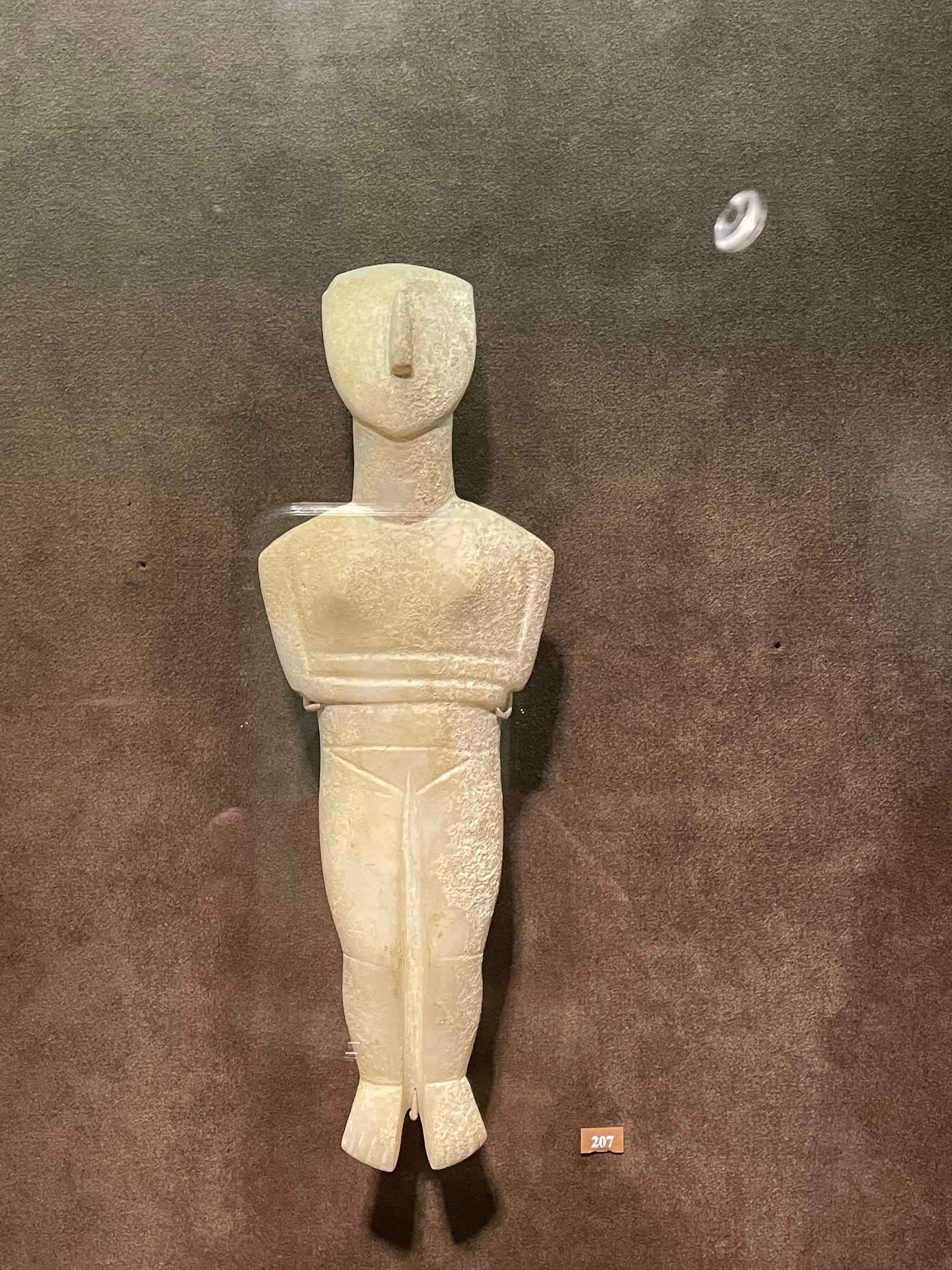
Imagine art as our science:
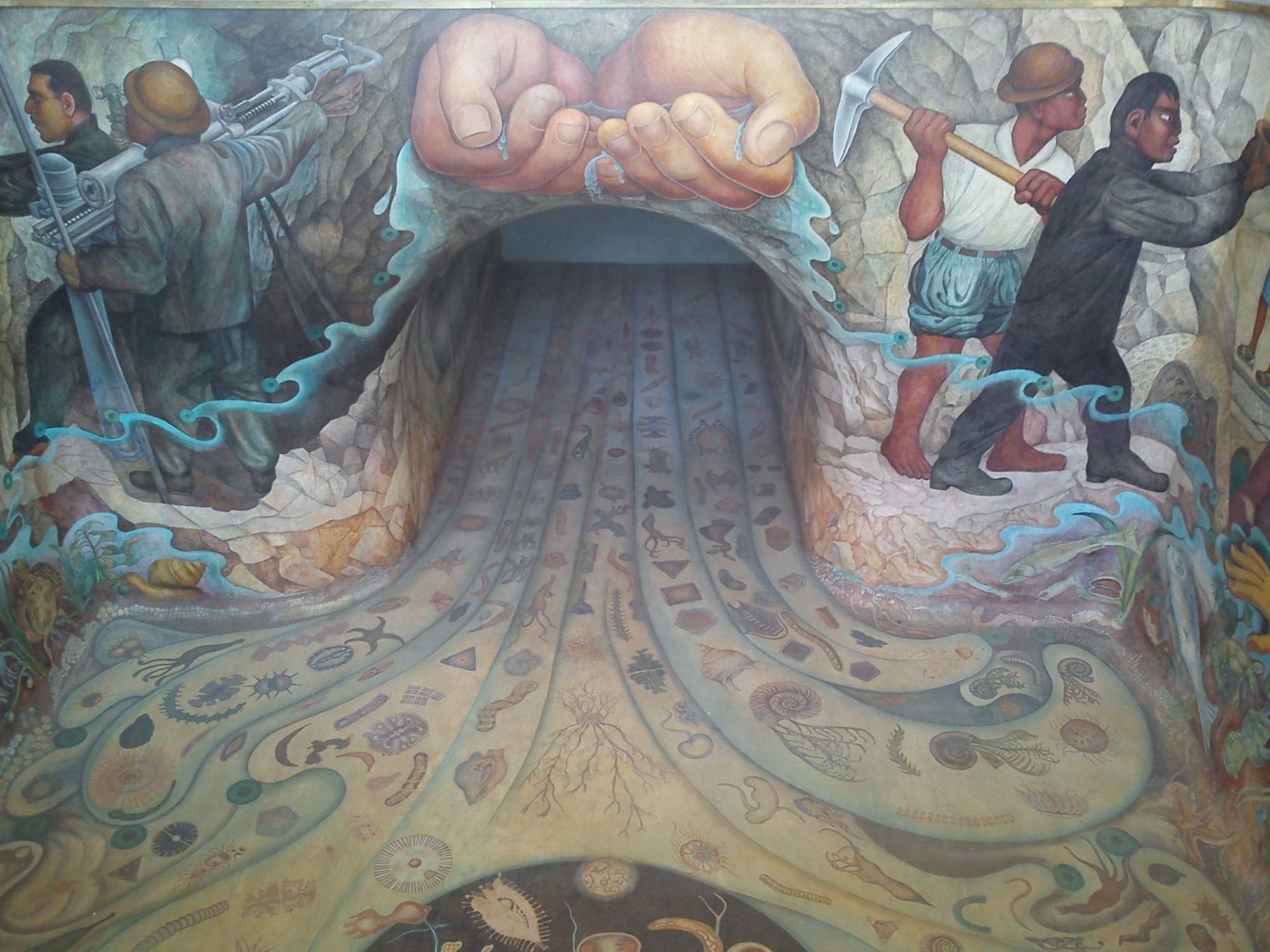
Art as our ethics:
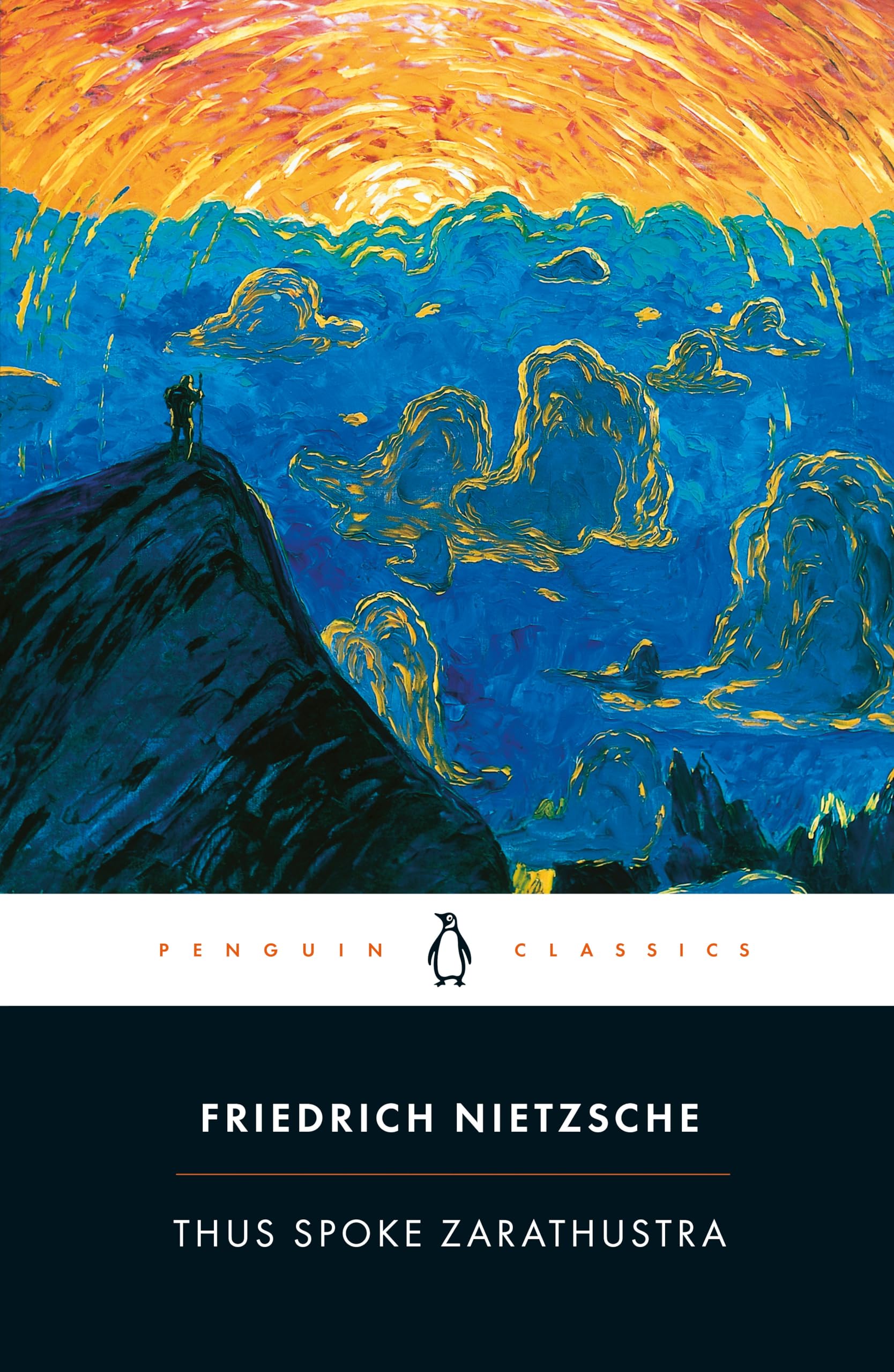
Imagine if beyond art, there was just life.
Culture.
Would that return to us that taste of cherry – the lost flavor of life?