Esperanto

In the 19th century, L.L. Zamenhof invented the language Esperanto, intending it to be used as the common tongue of humanity. He envisioned a future in which children would be bilingual, speaking Esperanto alongside their mother tongues.
Esperanto was a failure; English eventually became our lingua franca. But I think humanity does have a universal language, one that is immediately intelligible to every single person on the planet. Unlike Esperanto, this language requires no instruction or translation. It is an innate grammar that each of us bears like some kind of miracle within.
Cinema.
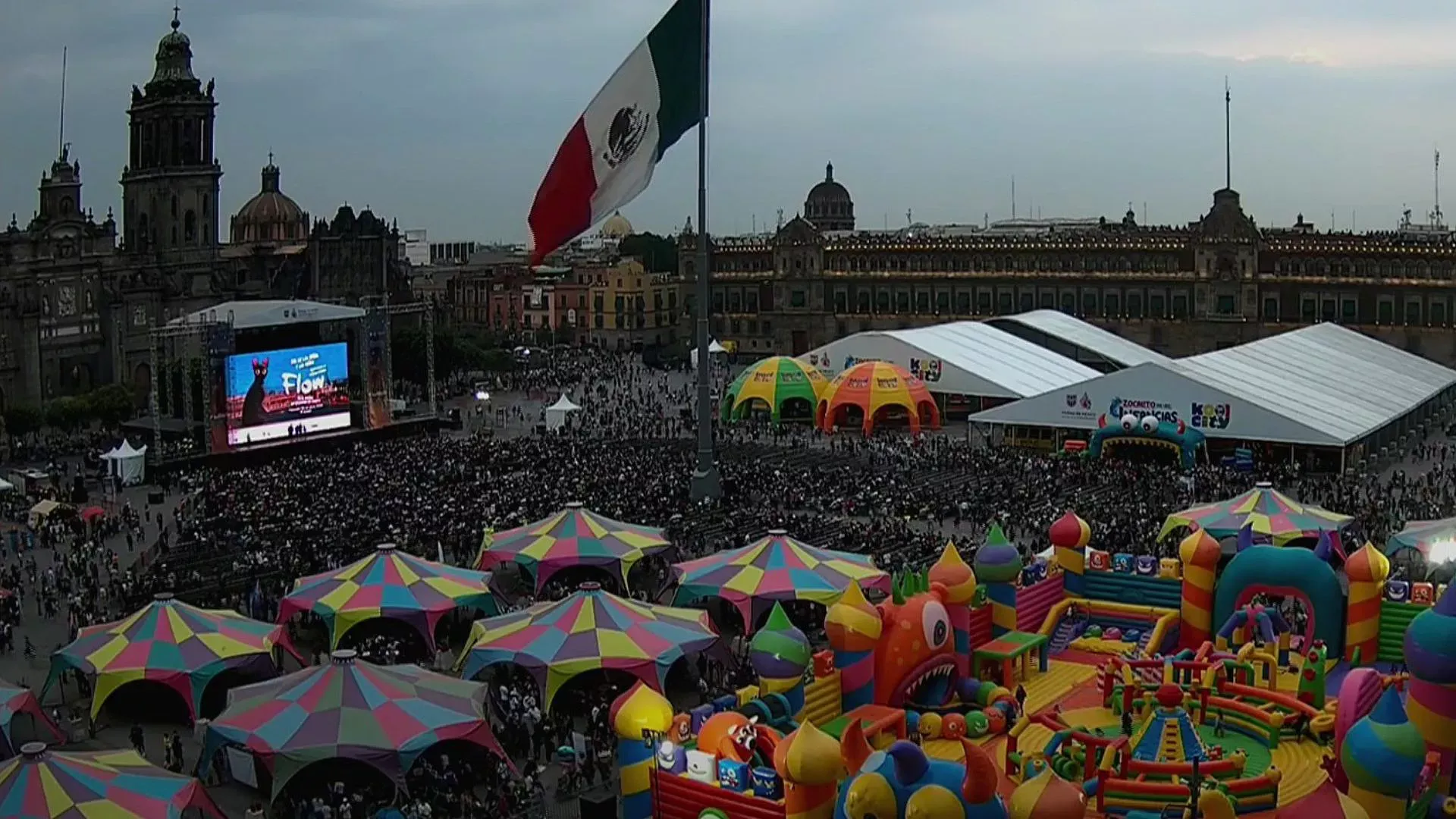
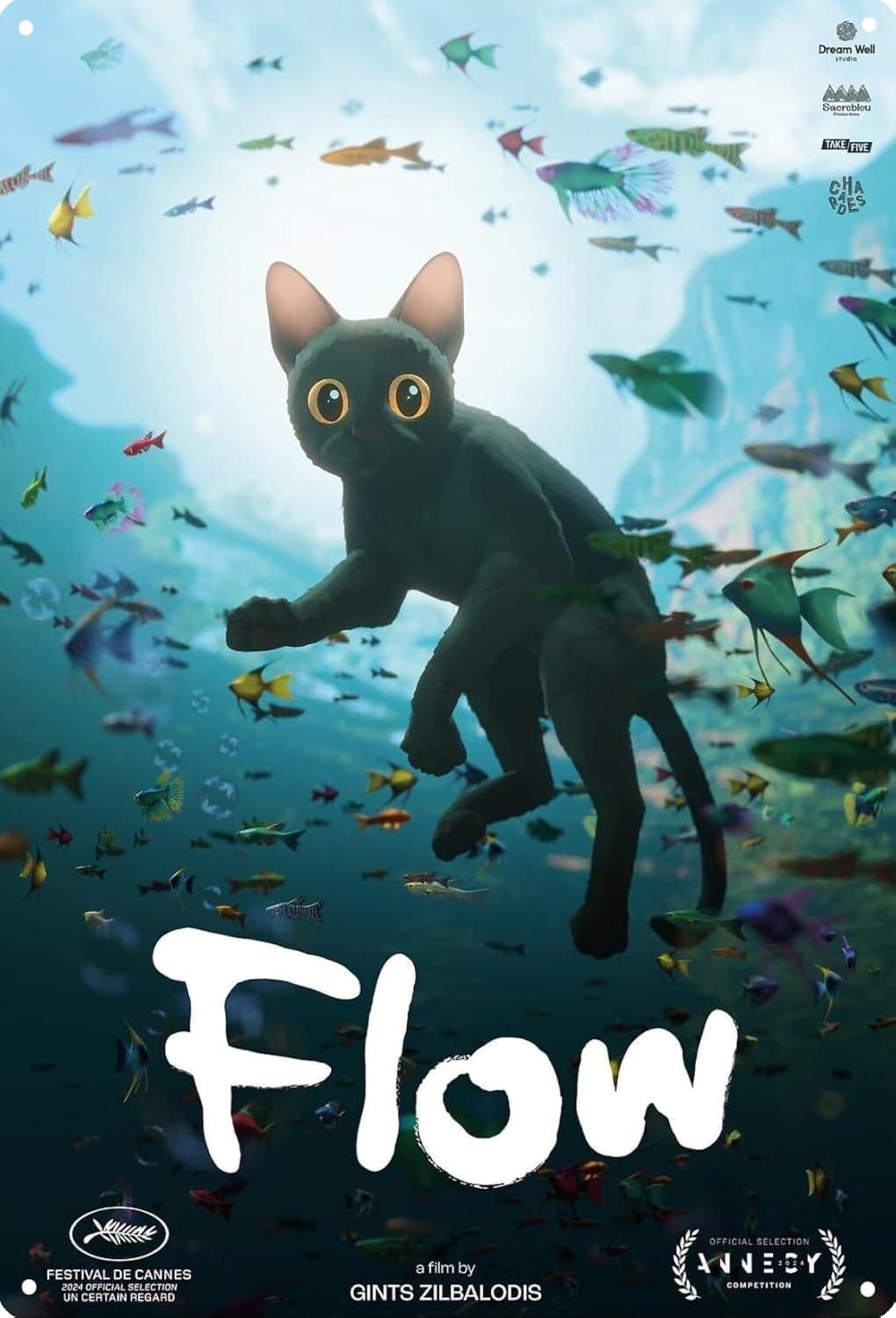
A year (or two?) ago, Mexico City screened the animated movie Flow in our Zócalo. It’s a movie made by a Lithuanian director who had no need of subtitles to convey his story. Flow is an incredibly powerful film, tackling the climate crisis with themes of universalism, mutual aid, and cooperation. It invites us to look at ourselves as a species, literally animals, rather than countries, races, or alliances. It asks that we come to terms with our vulnerability before this threat, and use it as step towards greater interconnection and resilience. Flow is a perfect example of the medium as the message, a movie that every human being on Earth, no matter where they're from, and every single person who will hence be born can understand just by opening their eyes.
Cinema is universal because it is the closest form of art to dreams, and dreams are older than the tongues we speak.